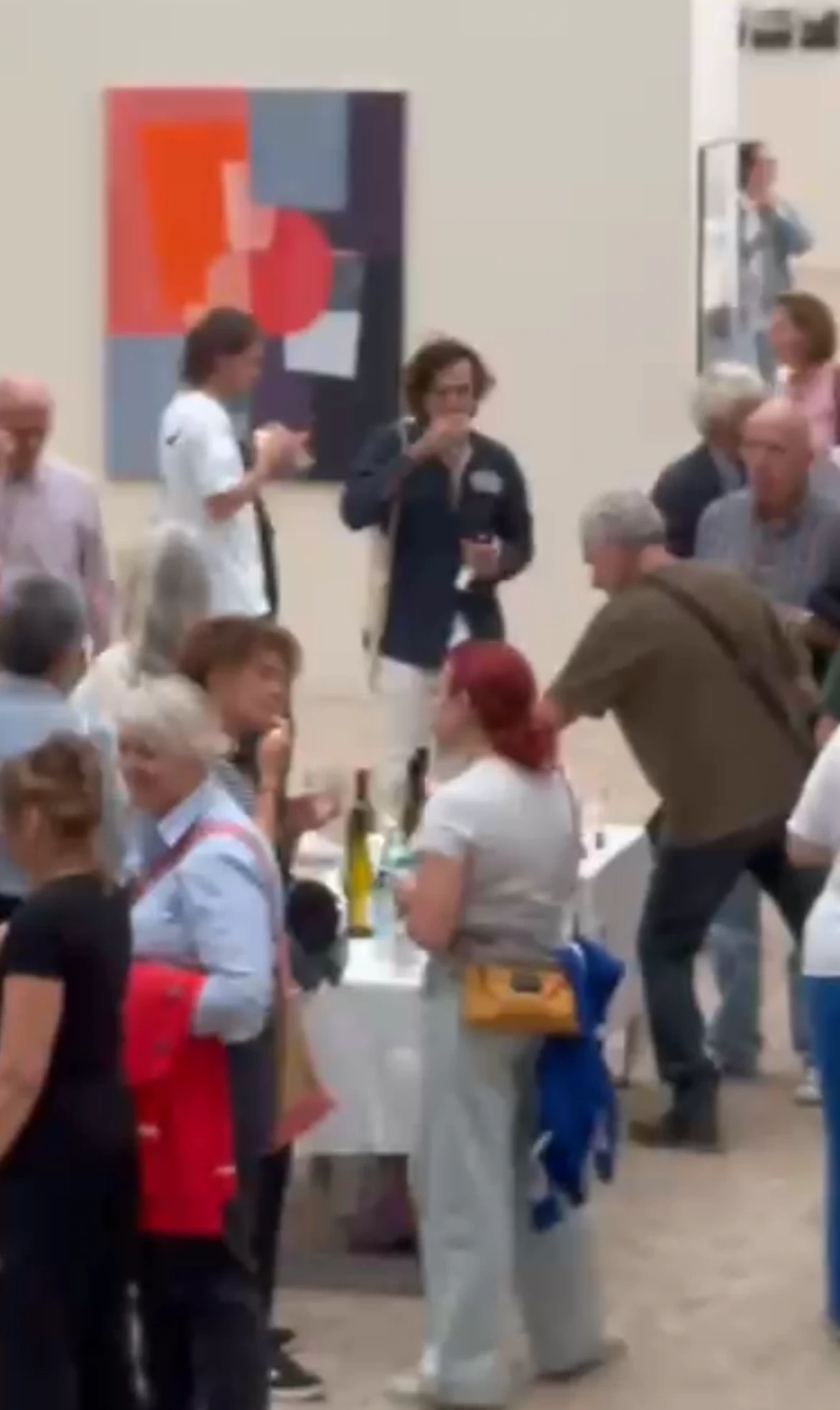
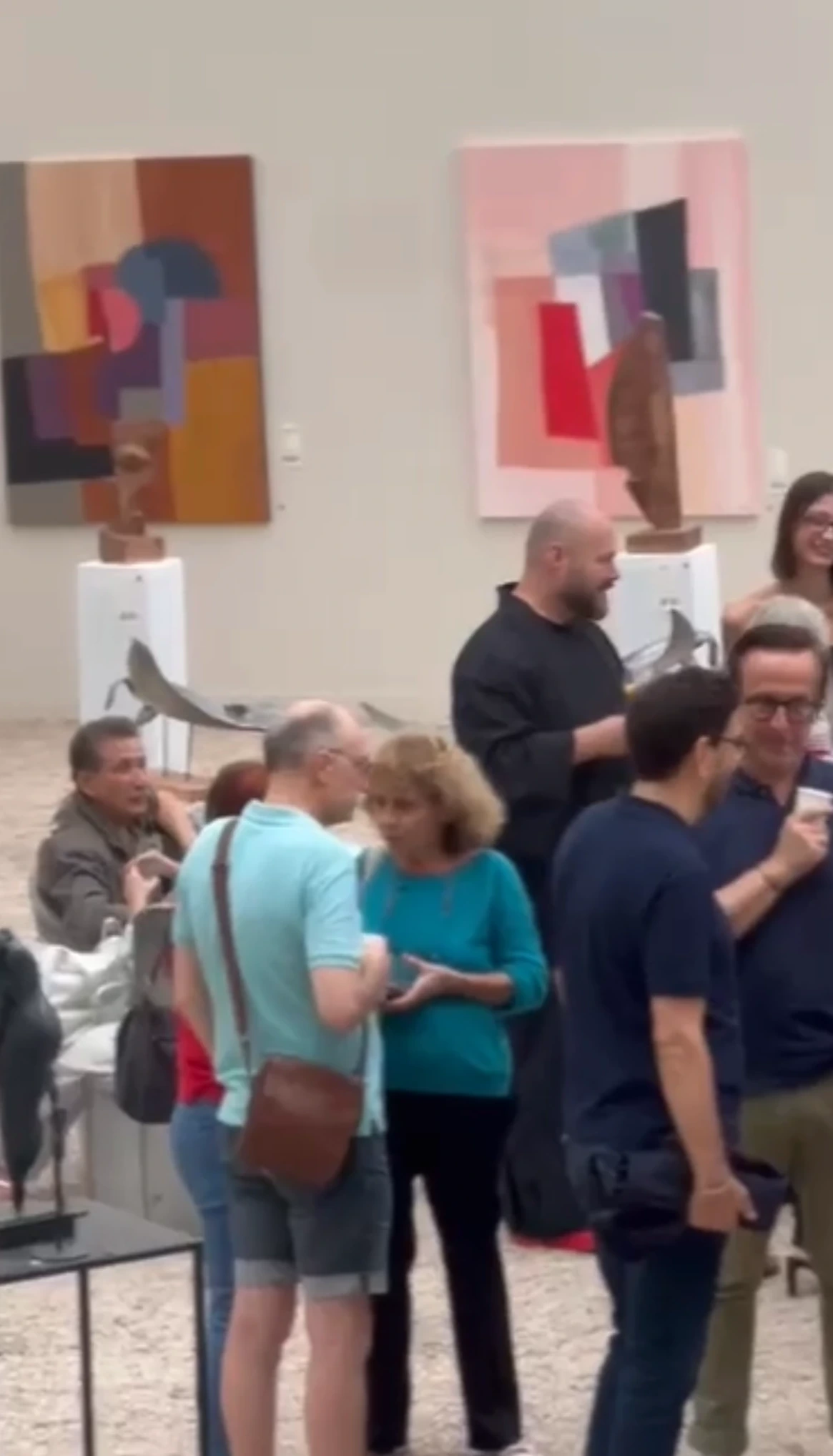
Mémoire Urbaine et Collective
I paint and sculpt the sounds of Paris.
A pianist turned painter and sculptor, I have long worked in two passages: an idea heard as harmony, harmony turned into colour. What is new here is where the chain begins. Not a score, not a piece I already know — the city itself.
The sound of the city reaches me first. I then work it to draw out the harmony, and sometimes the rhythm. The métro finds a key, a stairwell an interval, a crowd its own density of chords — and only then do the colour, or the form, come. Music is not the subject of the work; it is the road Paris takes to get there.
The rule that governs the first passage is written and published as two codices, with their parameters frozen, the rules tried and withdrawn, and what they refuse to say: Folding a Recording onto a Fundamental and Naming the Shape of a Loudness. These works were made on them: I could invent neither the curves nor the frequencies.
The Works
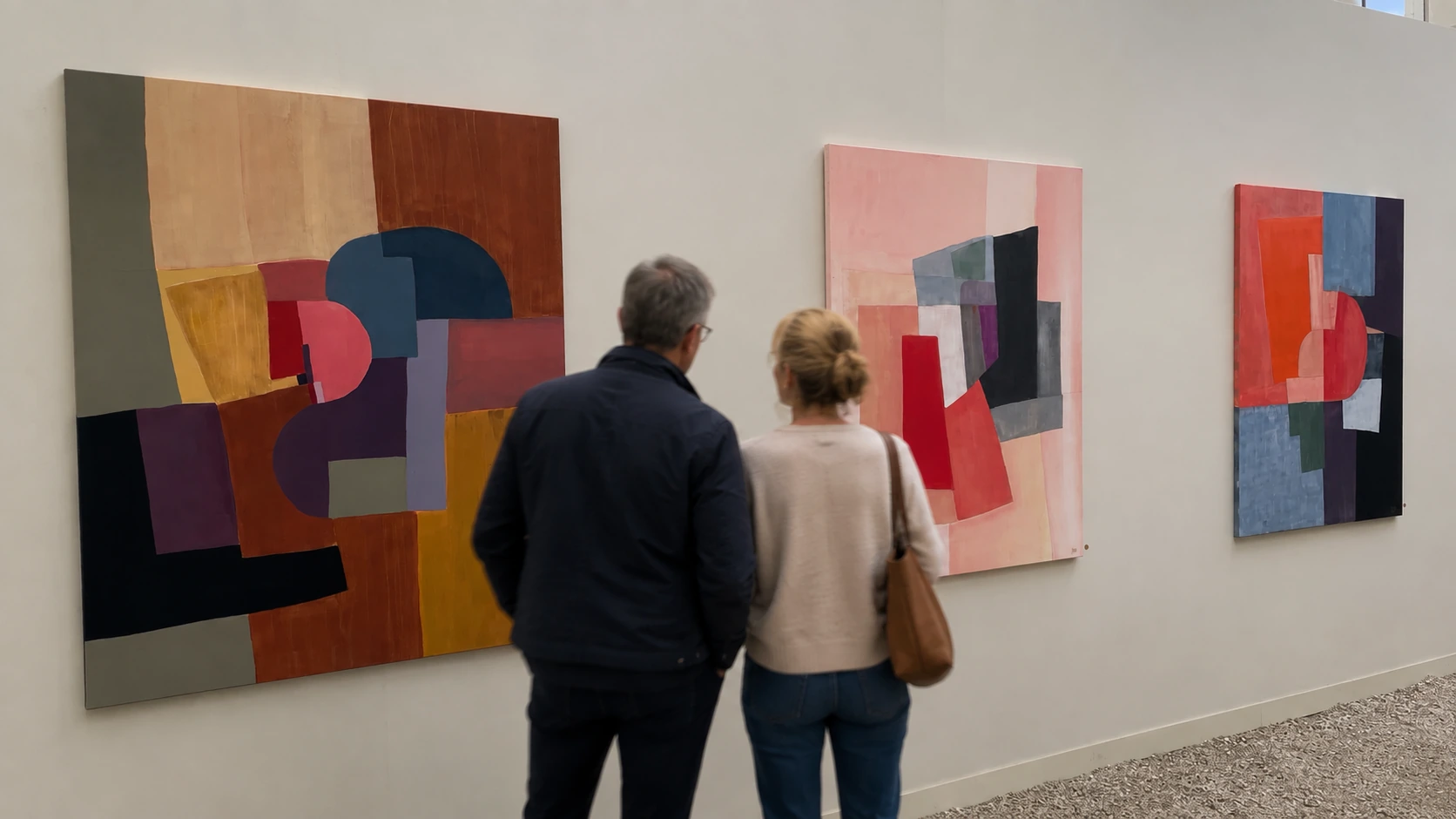
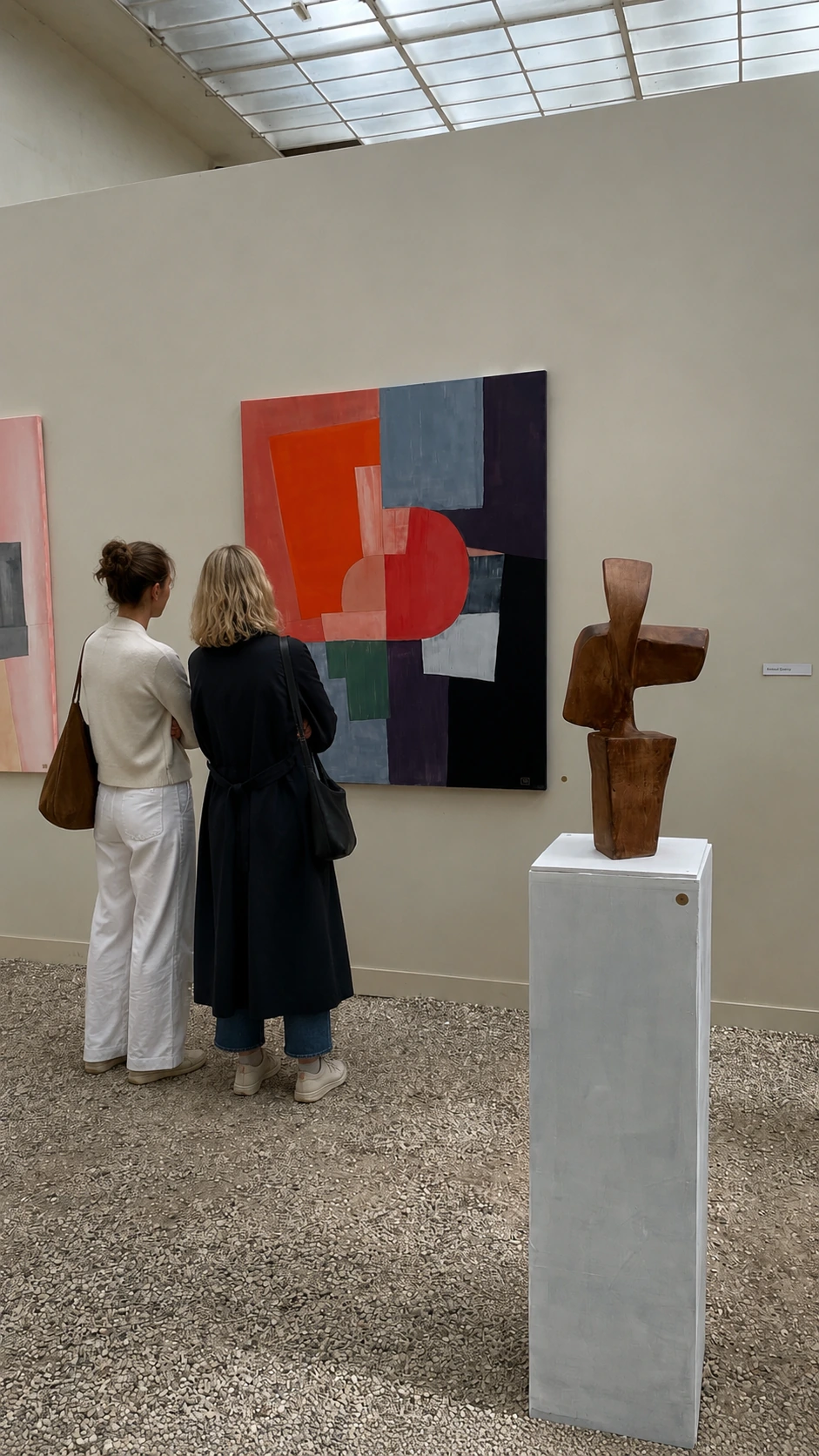
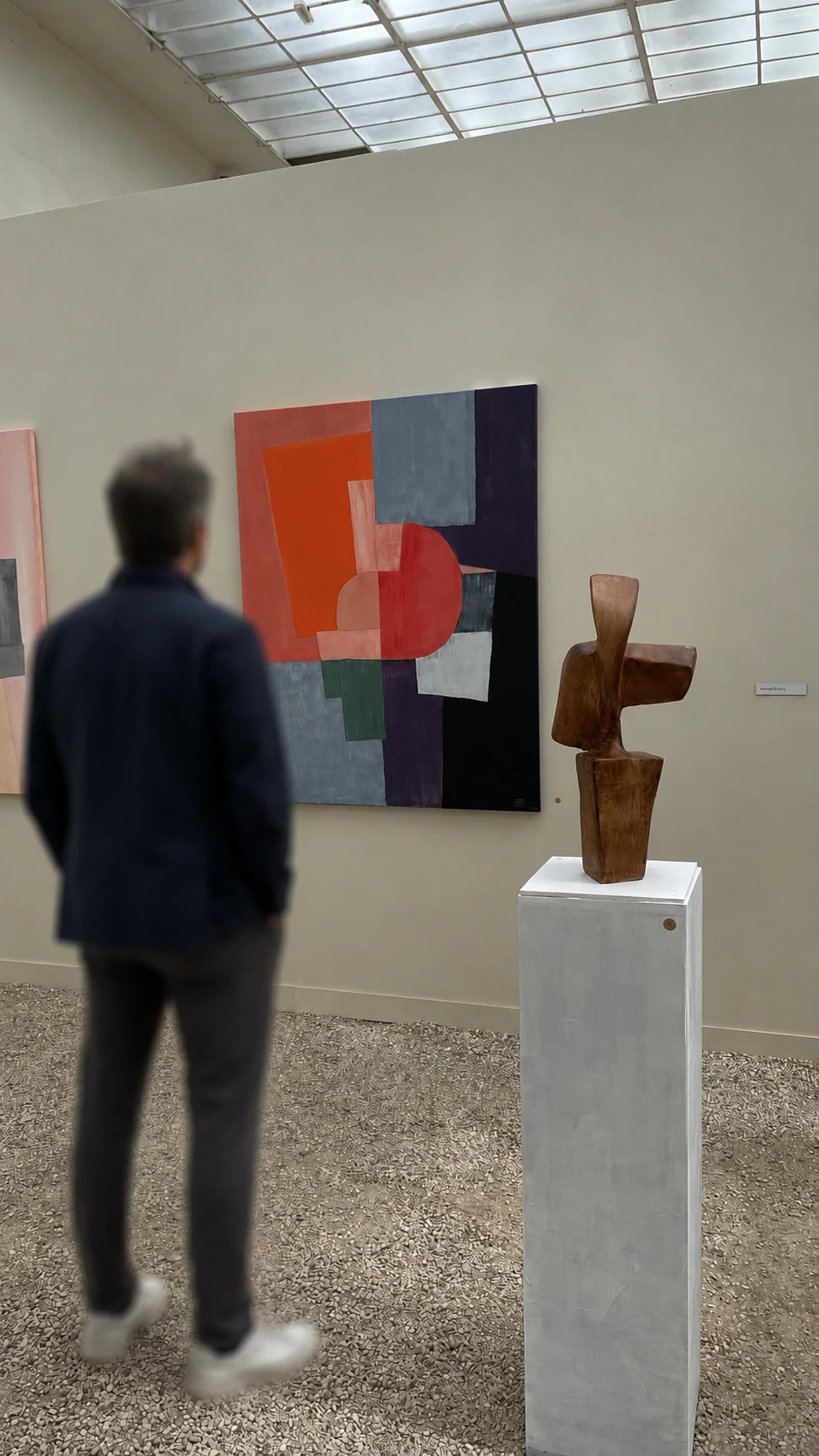
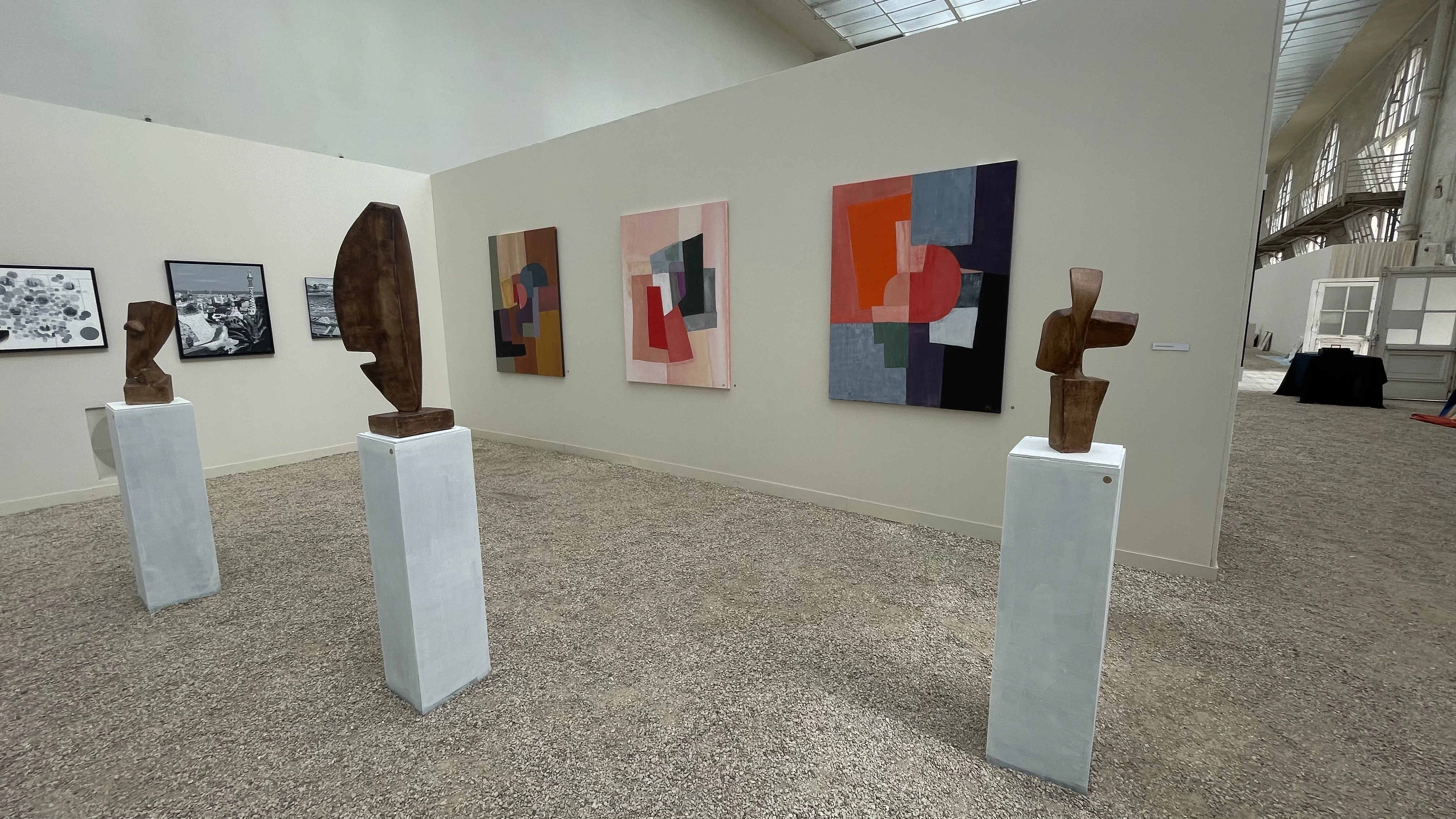
Six works are shown here, drawn from two series of the collection Paris Sounds.
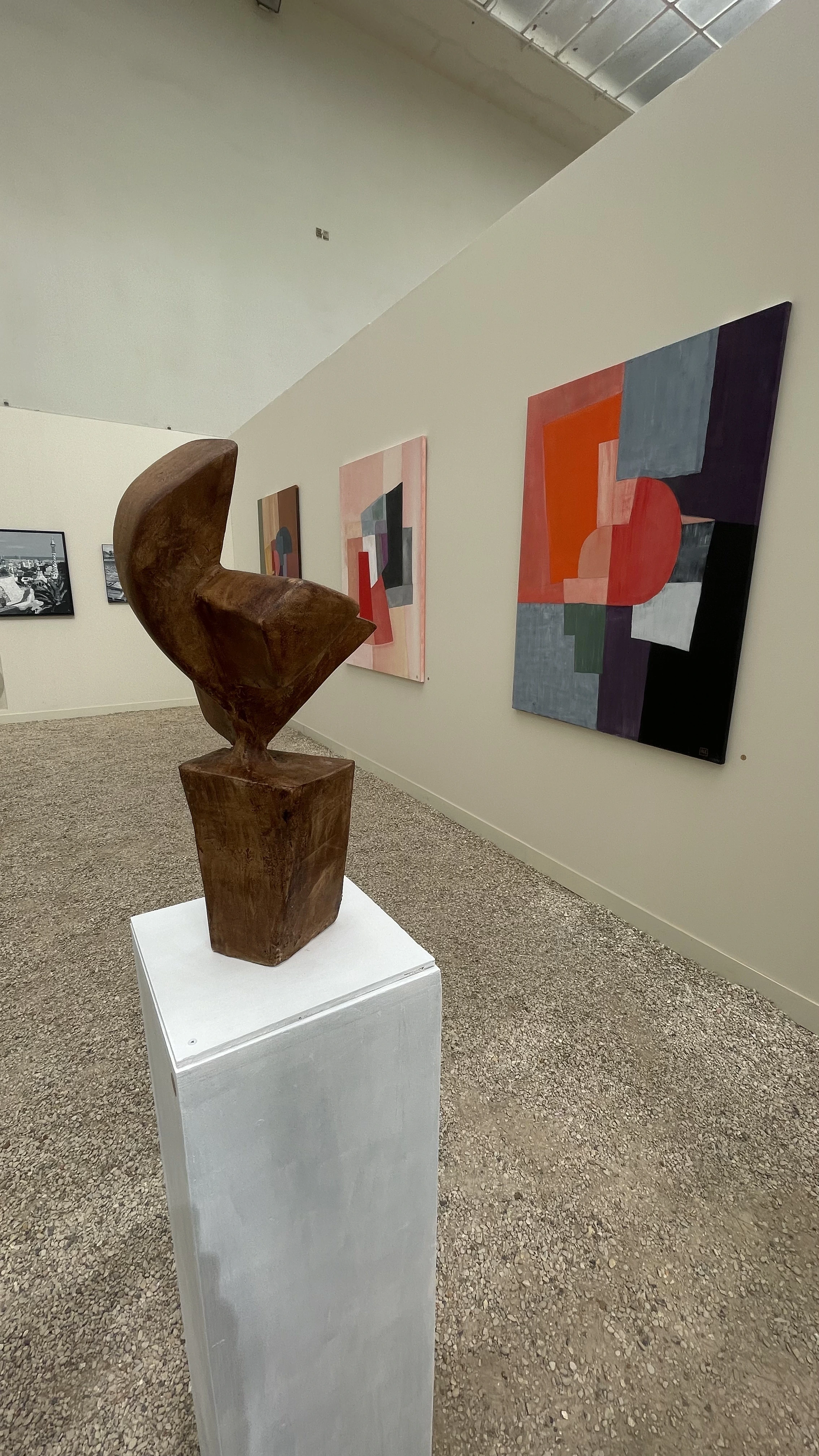
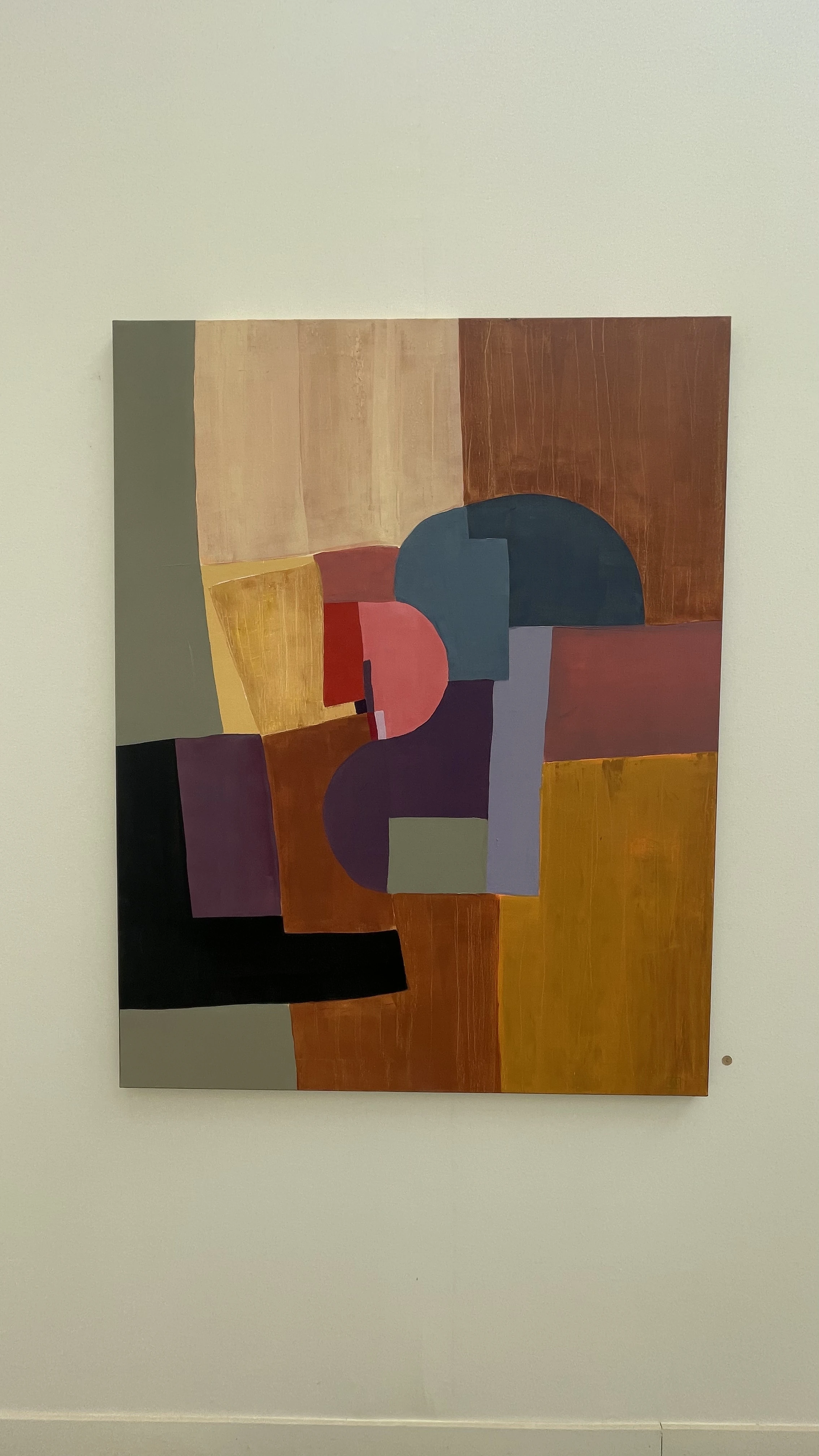
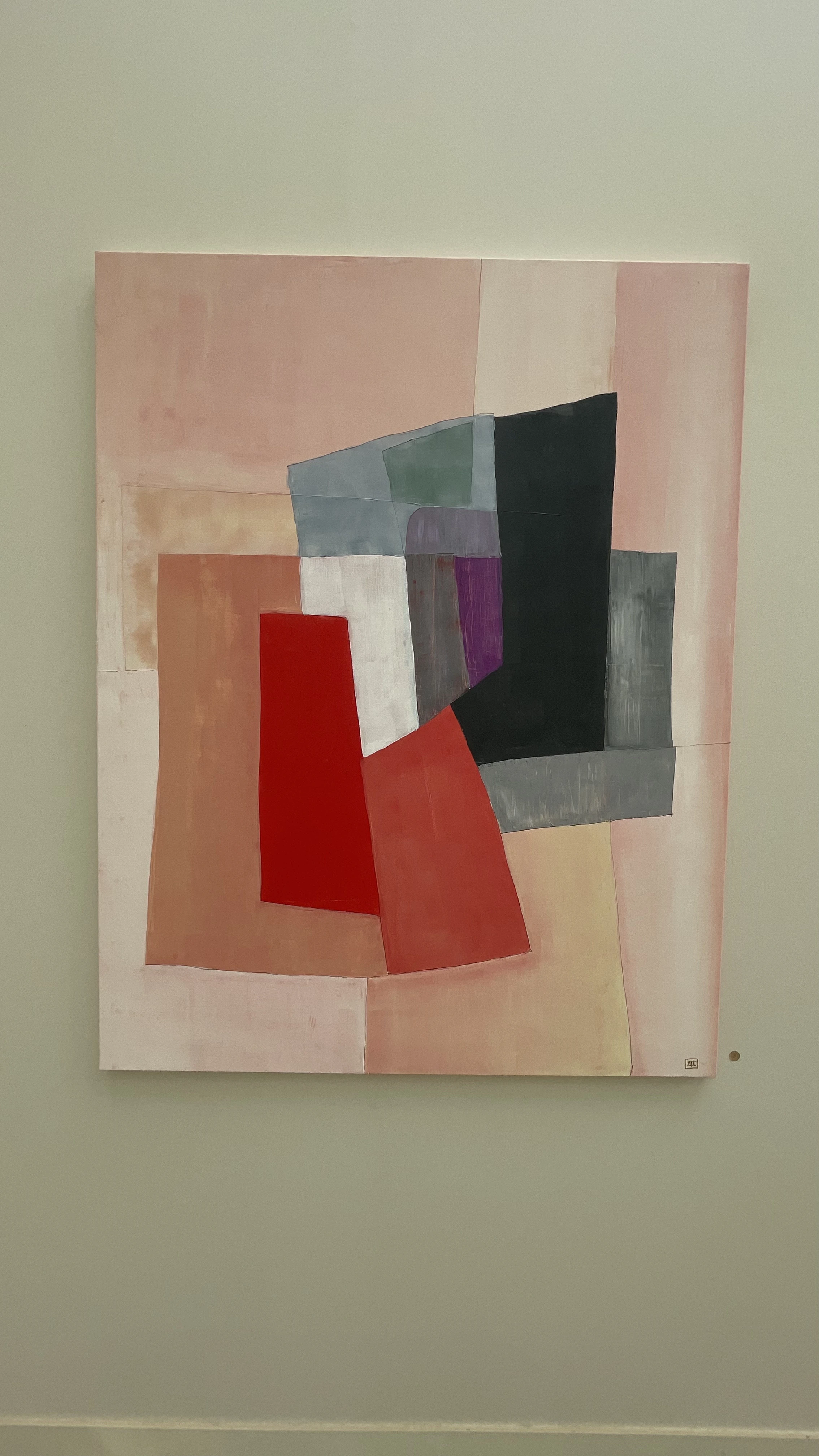
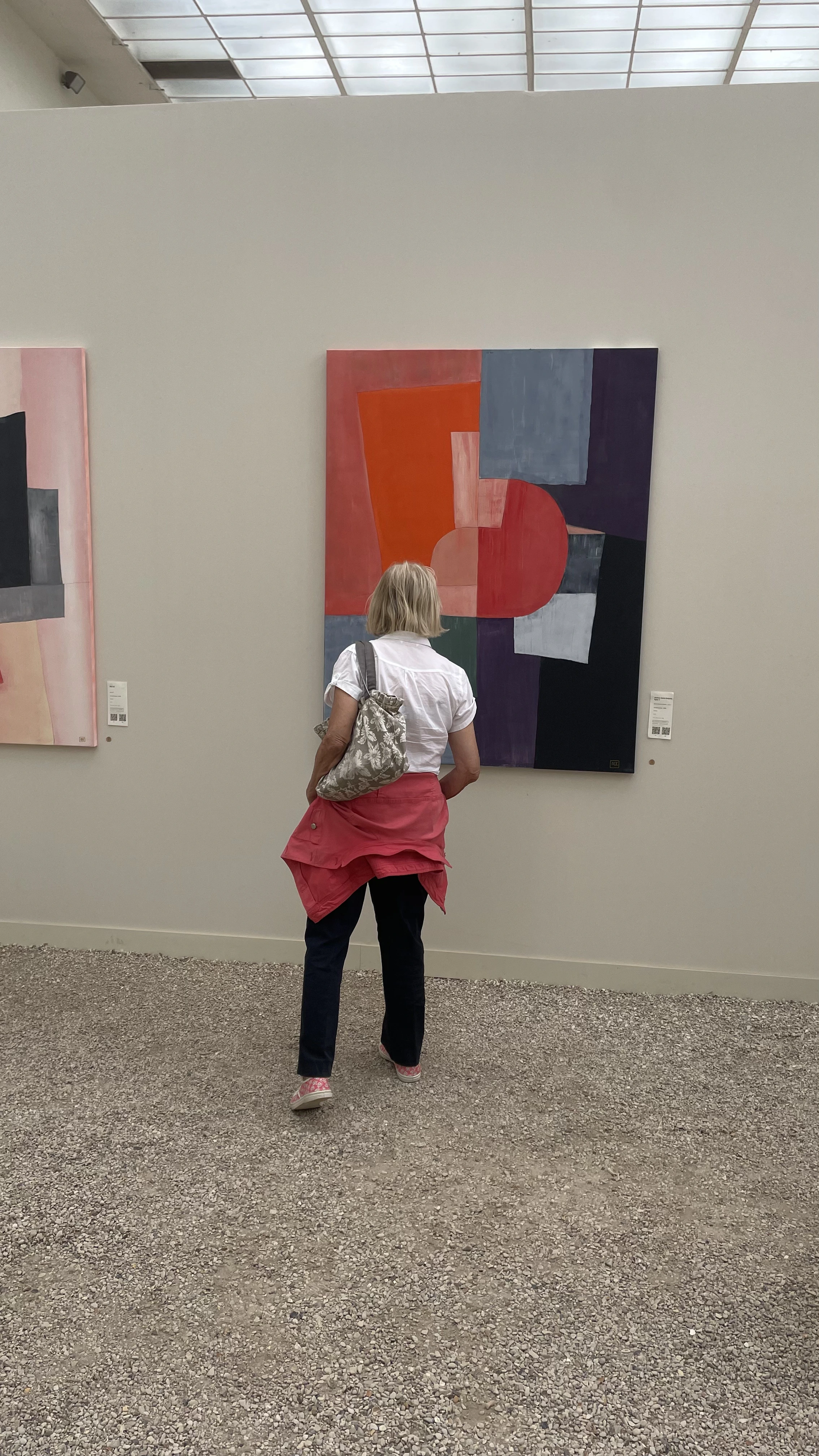
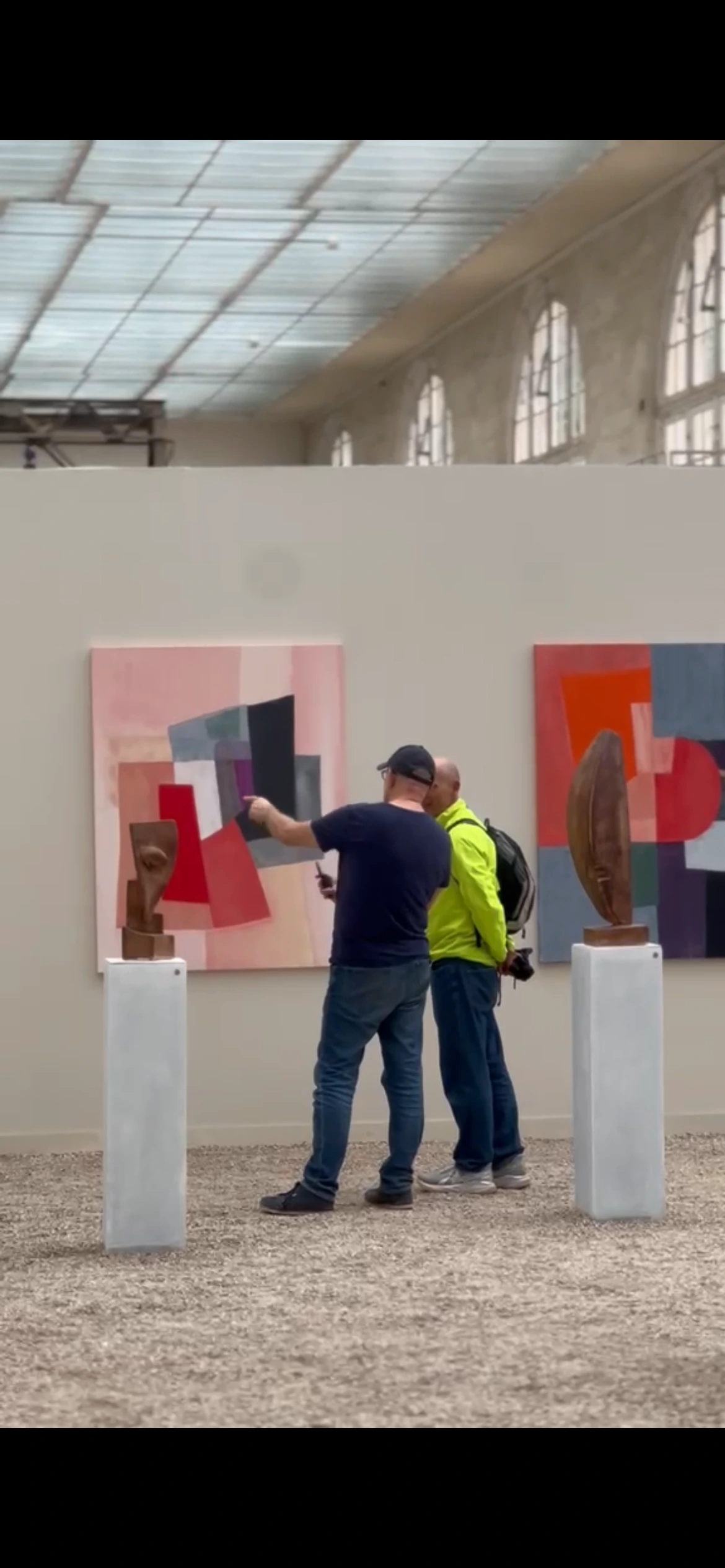
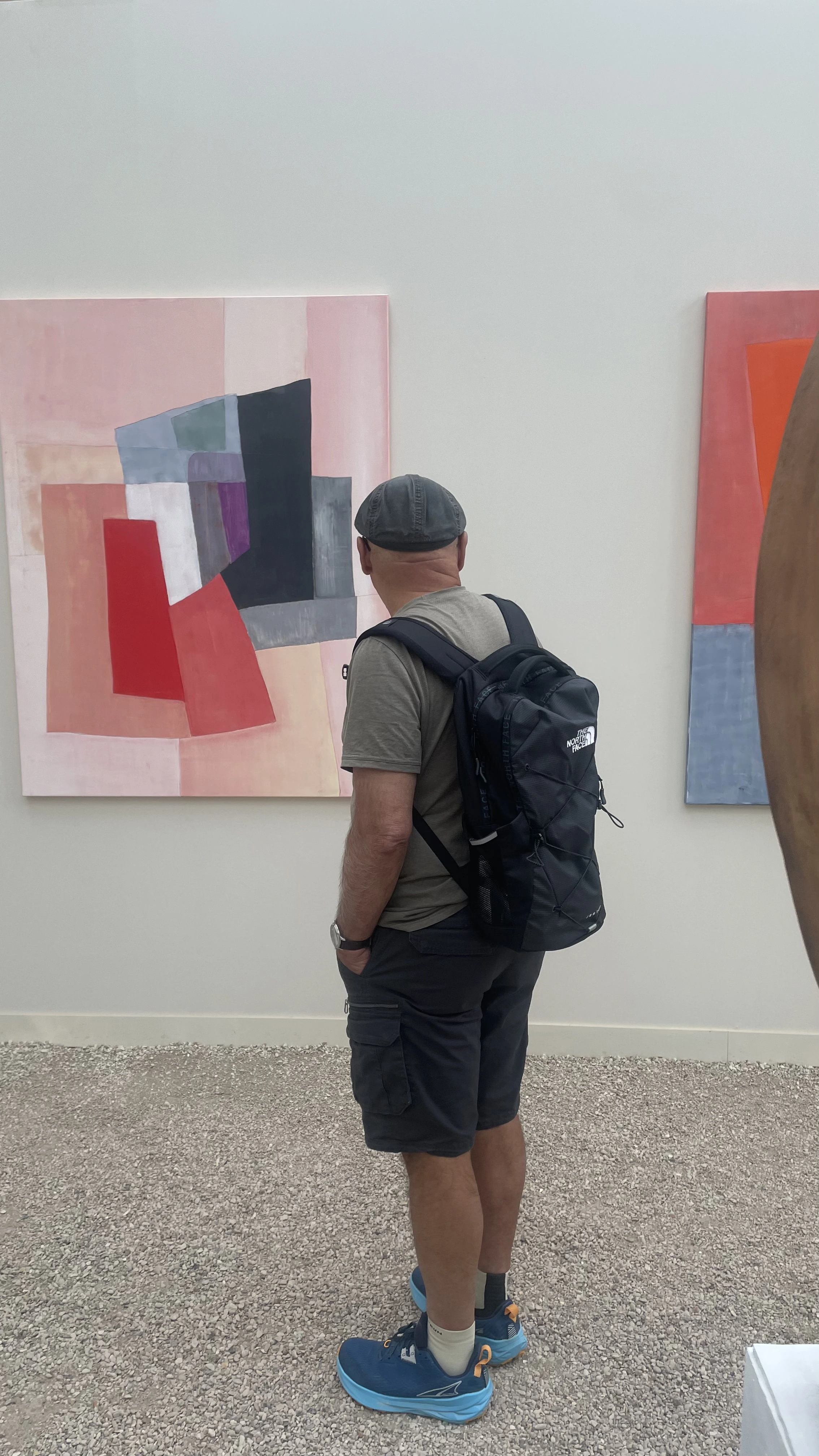
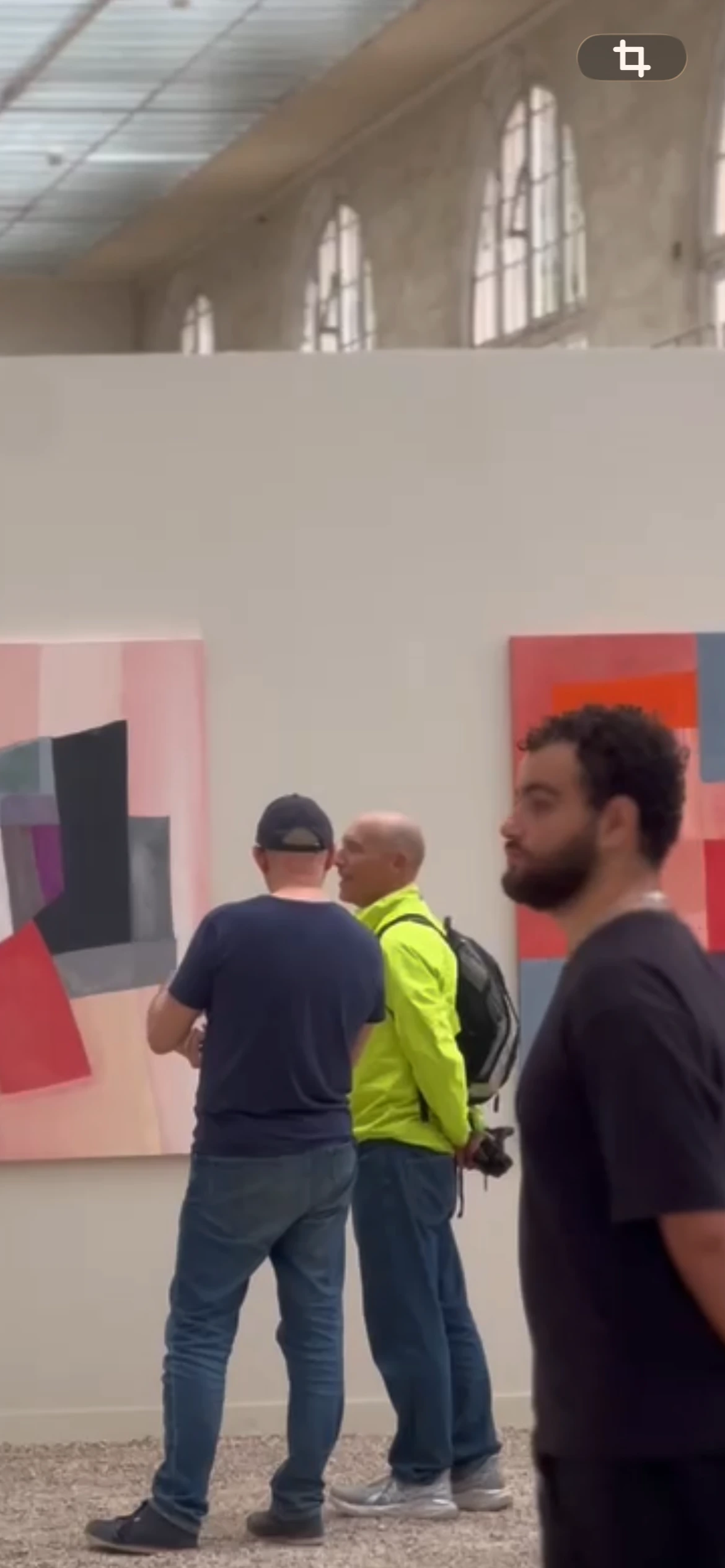
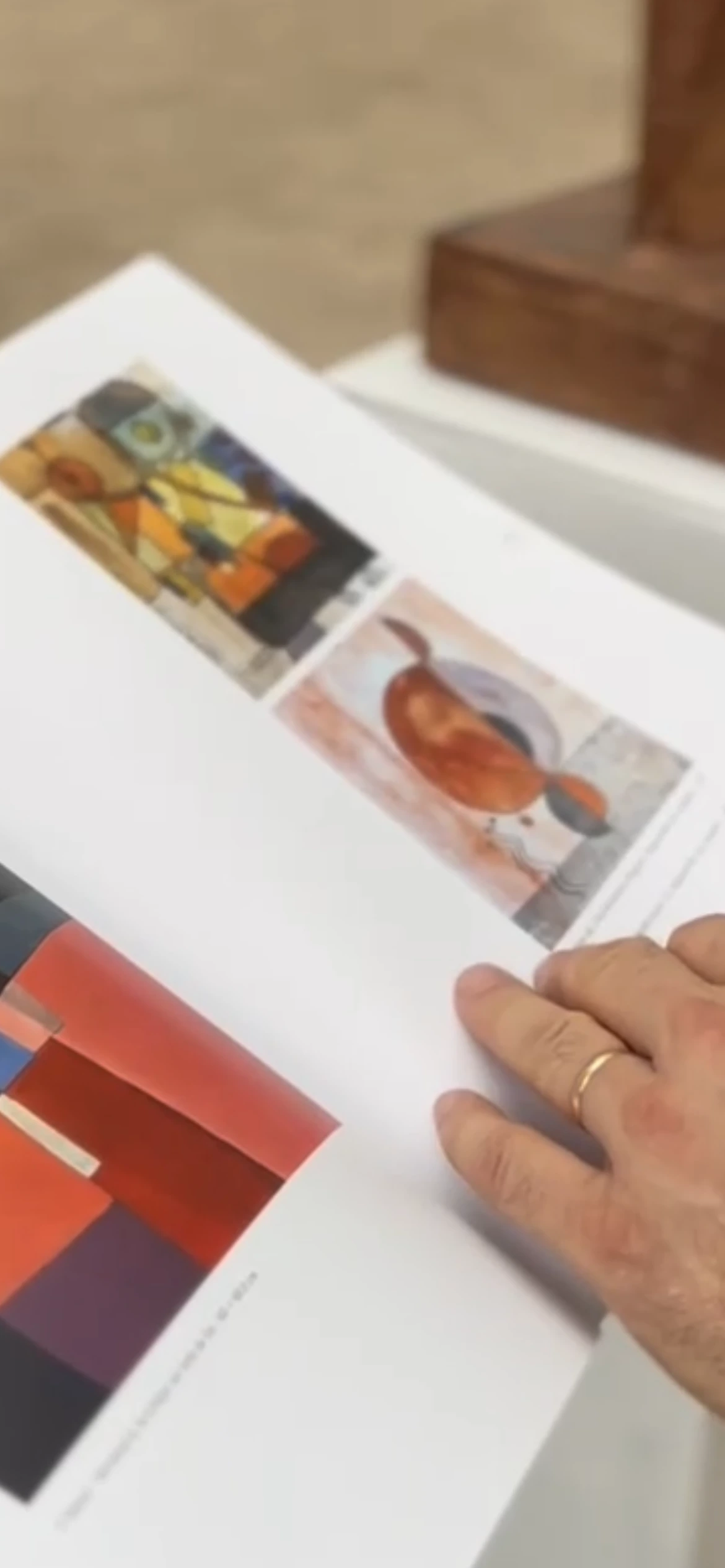
Field Harmonies — three canvases, acrylic on linen, 114 × 146 cm. A first rule takes a recorded fragment and returns a fundamental with twelve weighted pitches; a second gives each pitch its colour. The chord itself is not returned by the rule — it is read, and each canvas reads differently. In Saint-Sulpice Station, Line 4 the four notes are the four the rule ranks highest, in that order. In Bus 29 a highly ranked pitch is left out and the chord tightens against the ranking. In Stirring the Ice at a Café Terrace, where the material ranks almost nothing, what is posed is posed by me alone.
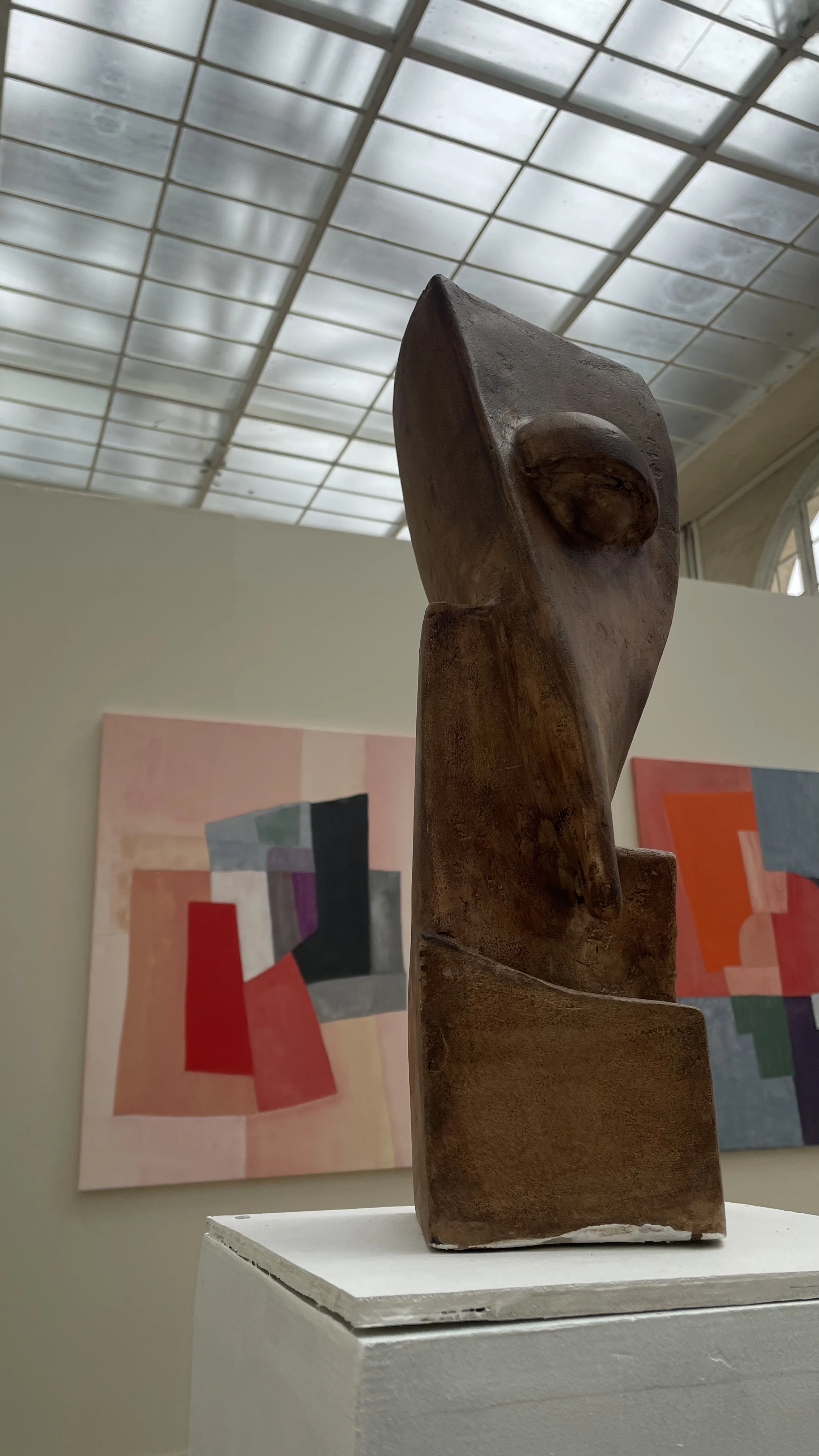
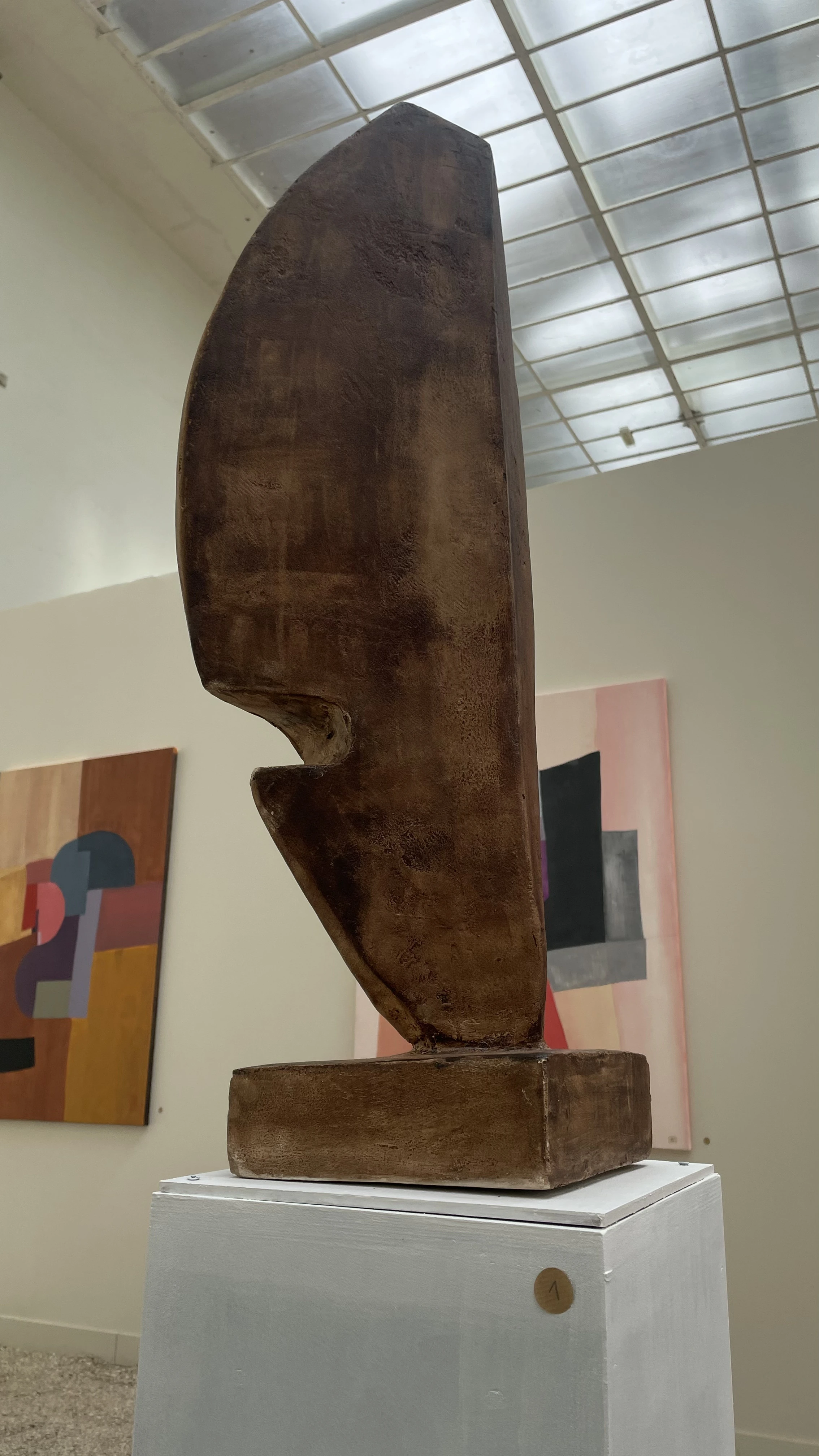
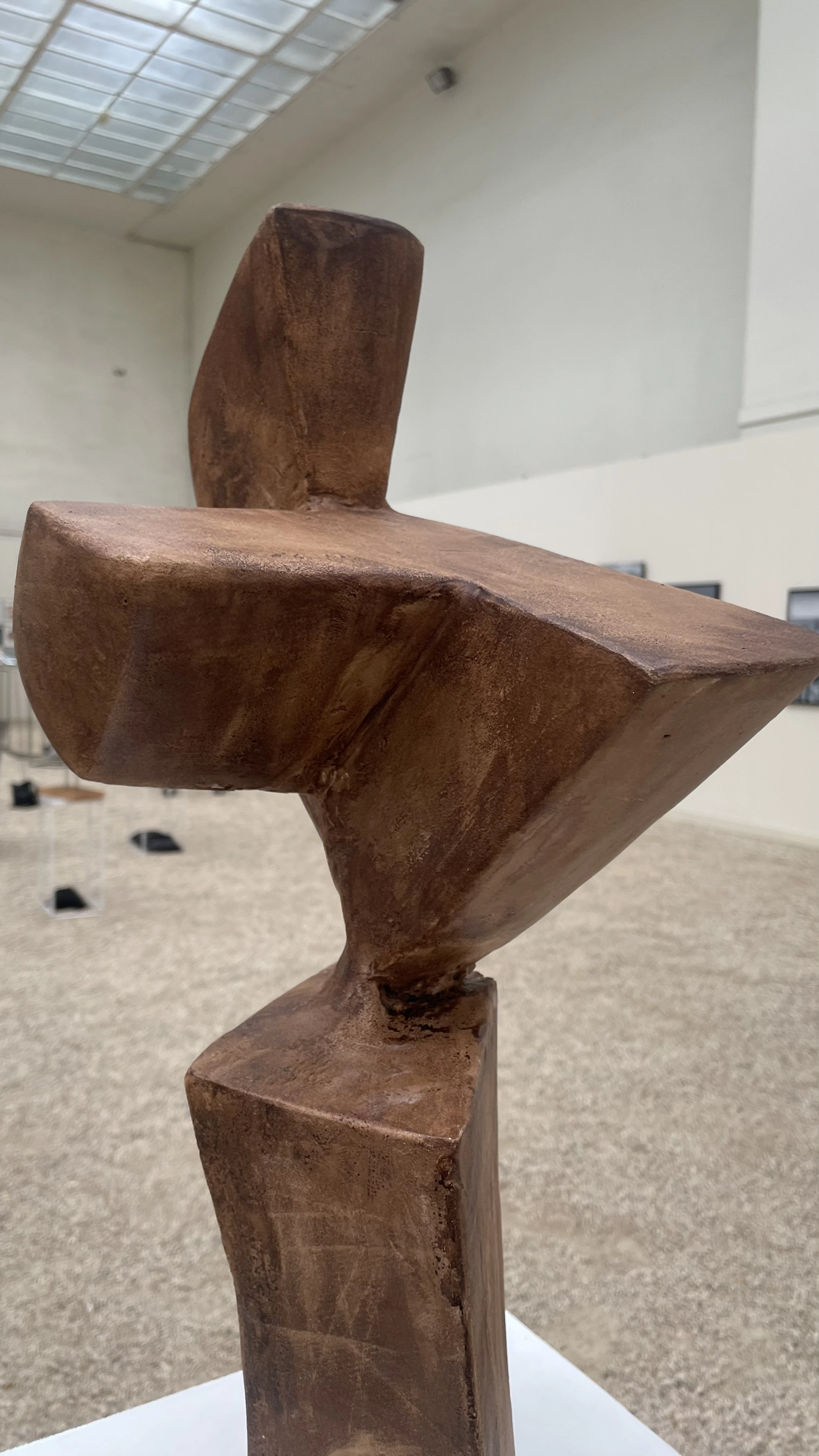
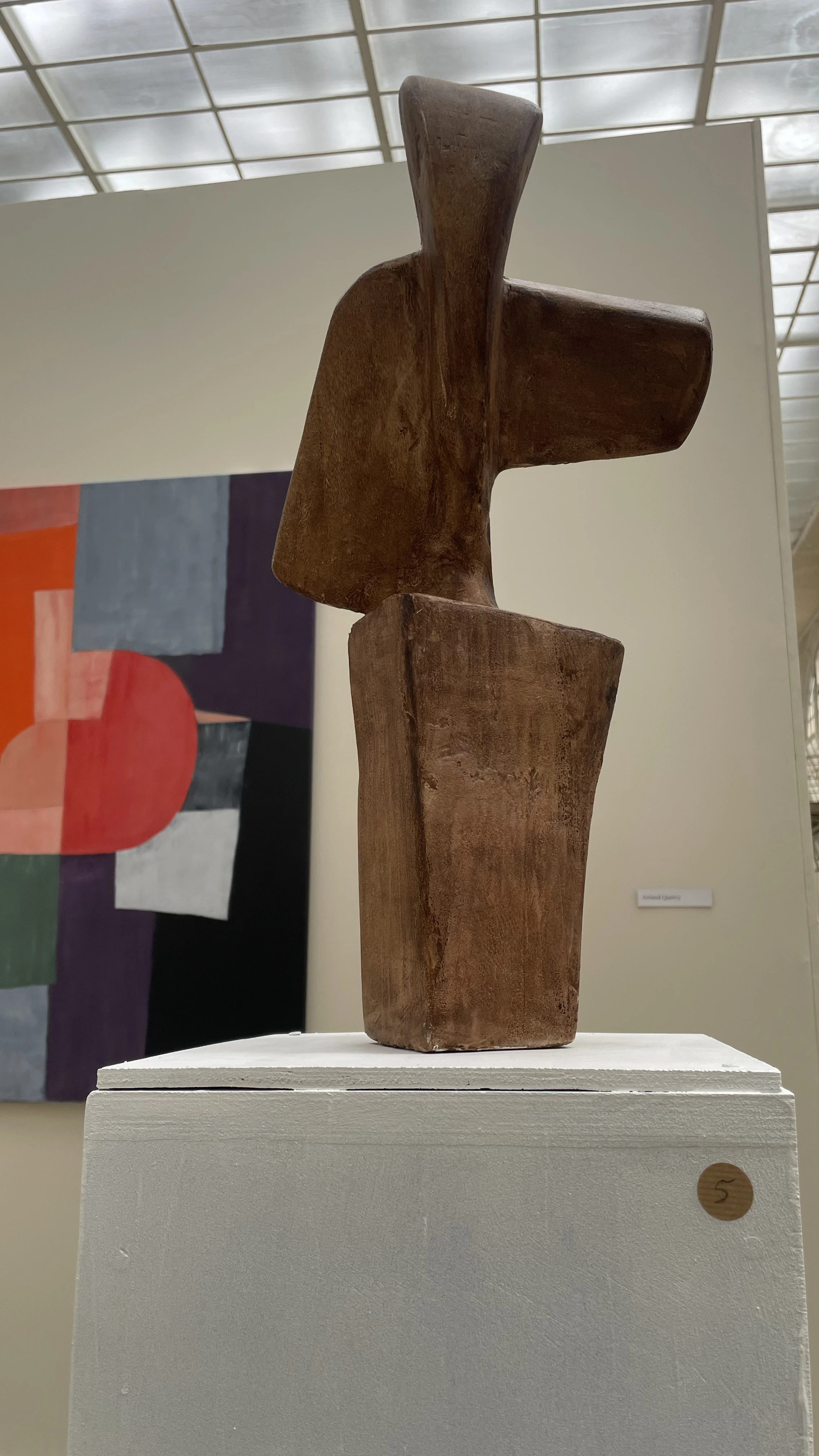
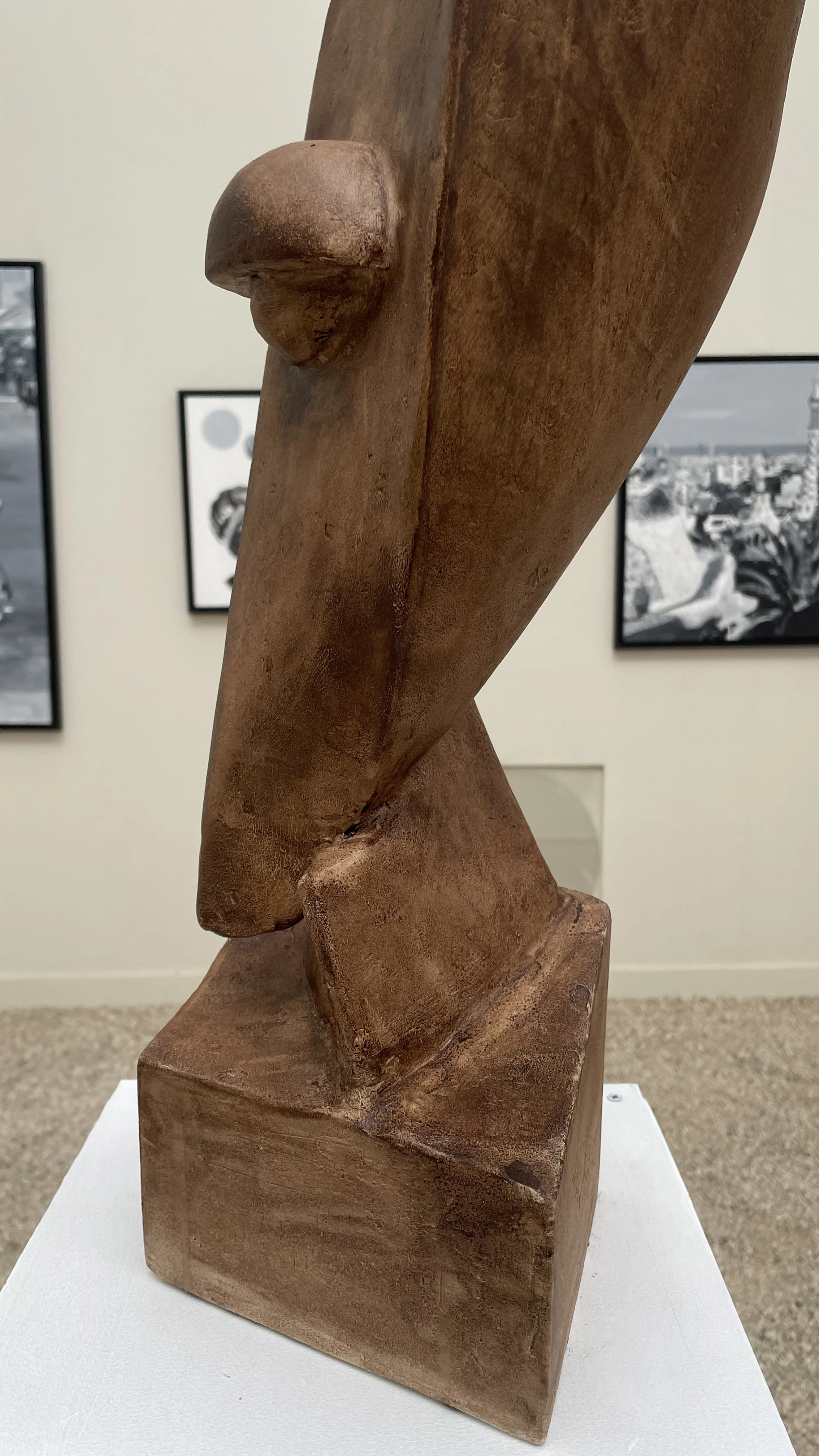
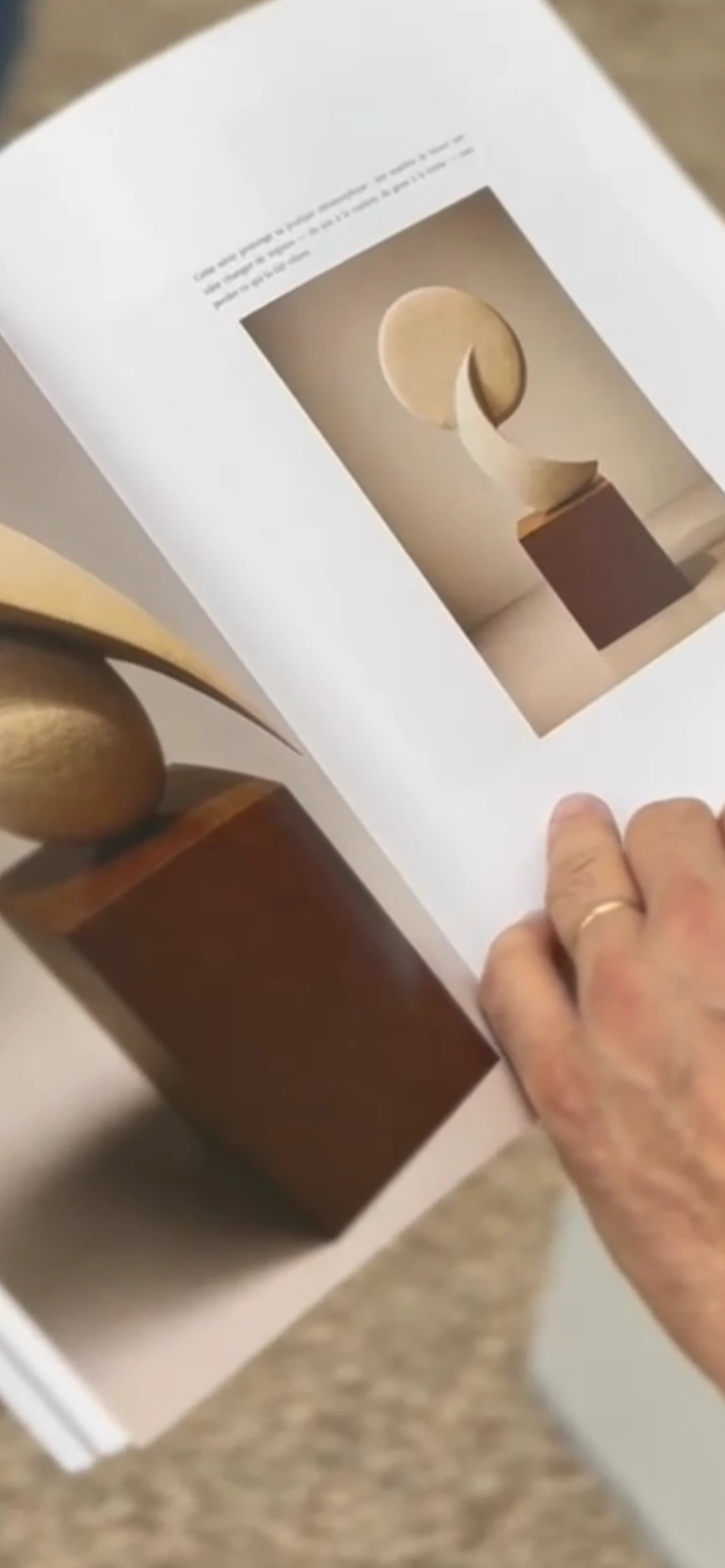
Field Forms — three sculptures, fibreglass resin over plaster on aluminium armature. A rule cuts the fragment into segments and names the curve of each — a bell, a bowl, a rise, a fall — on one condition: that the curve clear the fragment's own noise. Otherwise it answers straight, and that answer is not a failure; it is what makes the others worth trusting. A sculpture has no time in which to sound, so what enters it is a profile. Table for Two, Paris 6 interlaces two curves in a single gesture. Beware of Pickpockets joins two curves into a moon, then two moons into a volume, one per voice of the announcement. Bateaux Mouche takes the two curves most marked for the eye, and the three others for the edges of an inverted pyramid.
The rule always returns the same thing. What is made of it differs with each work, and that is where I work.
Artist Statement
A musical note does not last. It sounds, it fades. What remains is not the note but what it left in the body of the one who heard it.
That is what I look for in a city. Not its façades, but the residue it deposits — a rhythm picked up in a stairwell, a colour that a chord makes audible, a silence between two passing trains. I work that residue in acrylic, in watercolour, in clay, until the transposition holds on its own.
The idea does not belong to the medium it was born in. It can change register and survive. That passage is the whole of my practice. Here, for the first time, it begins from recordings of the city's own sounds.
Logistics
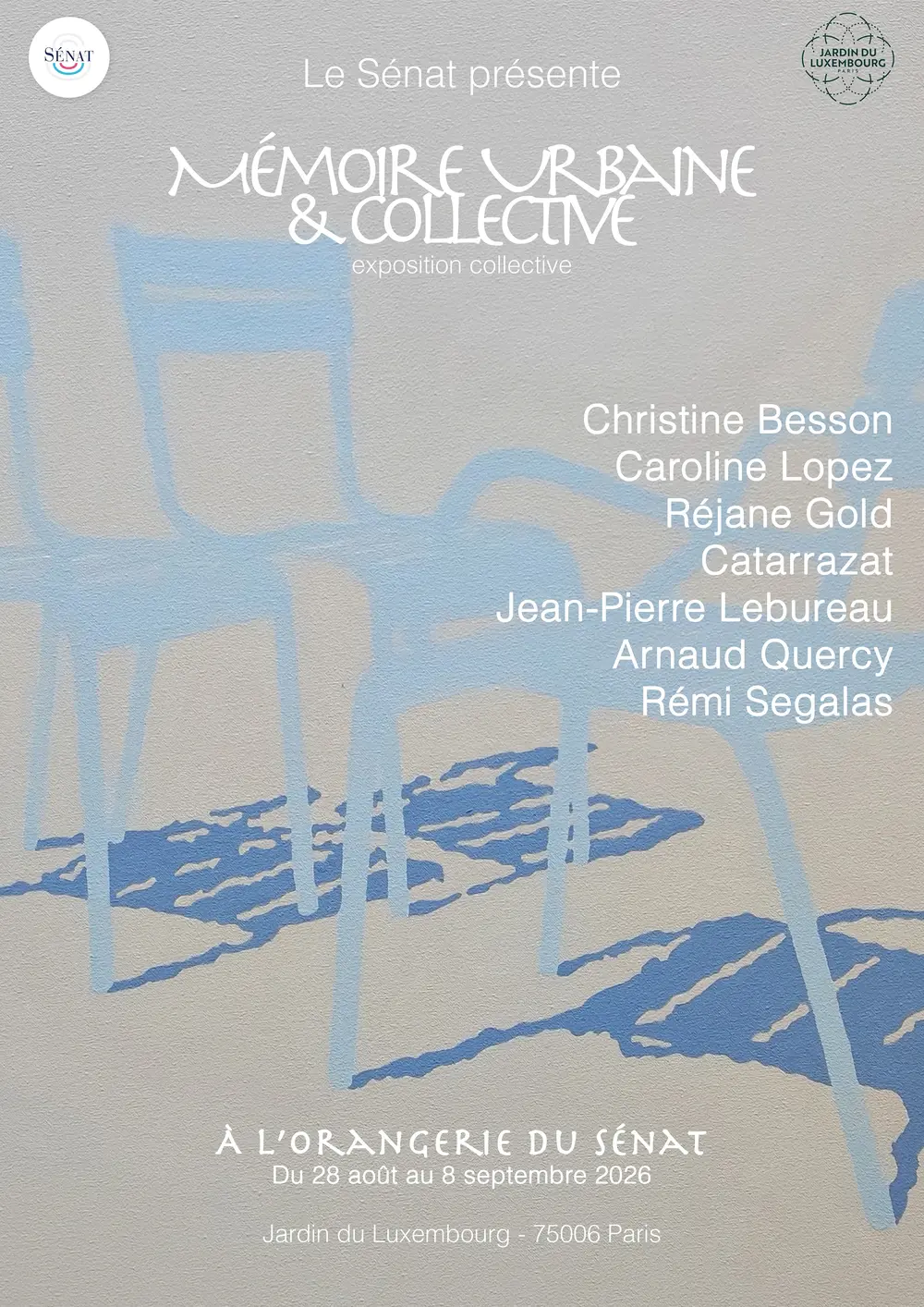
Dates: 28 August – 8 September 2026
Opening reception: Sunday 30 August 2026, 5 p.m. to 8 p.m.
Opening Hours: Every day, 11 a.m. to 8 p.m. until 31 August, then 11 a.m. to 7.30 p.m. from 1 to 8 September
Venue: L'Orangerie du Sénat, Jardin du Luxembourg, 15 rue de Vaugirard, 75291 Paris Cedex 06
Access: Place Edmond Rostand, place André Honnorat, rue Guynemer or rue de Vaugirard
Admission: Free
Also at the Orangerie: Les couleurs de la mer by Marye Jalabert and Empreintes-Enveloppes, Métamorphoses by Guillaume Werle — two separate exhibitions over the same period.
Collective: memoire-urbaine-et-collective.org
Venue listing: jardin.senat.fr